

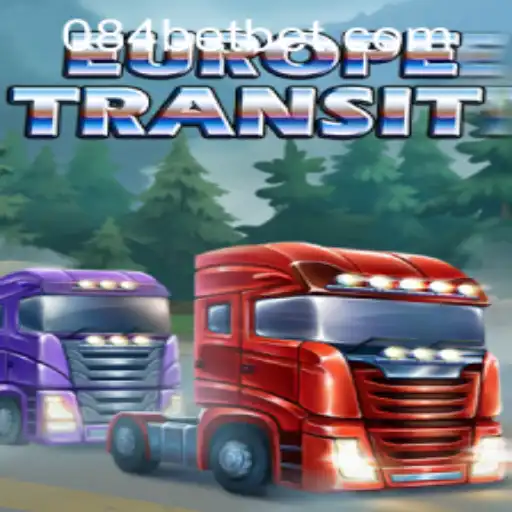
Dive into the immersive world of EuropeTransit, a strategic board game captivating enthusiasts worldwide. Discover its introduction, gameplay mechanics, and current relevance amid recent global events.
Exploring EuropeTransit: A Comprehensive Guide to Gameplay and Strategy
EuropeTransit has emerged as a compelling board game that challenges players with strategic decision-making and tactical foresight. Much like its core theme of transit and logistics within a complex Europe, the game beautifully captures the intricacies of transportation networks and geopolitics. This article delves into the intricate world of EuropeTransit, providing essential information on its introduction, gameplay, and rules, all while exploring how current events echo within its thematic structure.
Introduction to EuropeTransit
EuropeTransit is set in a multifaceted representation of Europe, offering players the role of logistics managers tasked with optimizing transport routes across major European cities. The game intricately combines strategic movement with risk assessment, making each session new and exciting. Designed by renowned game architect John D. Hayes, EuropeTransit continues to gain traction among board game aficionados and logistical experts alike, appreciating its realistic portrayal of transit challenges.
At its heart, EuropeTransit focuses on the journey rather than the destination. Players are encouraged to balance resource management with strategic foresight as they navigate through diverse geographical terrains and complex infrastructural networks. The game offers both casual gamers and strategic thinkers an engaging experience, fostering an awareness of the interconnectedness of transport and trade across the continent.
Gameplay Mechanics
The game board of EuropeTransit is a meticulously detailed map of Europe, divided into hexagonal zones representing various topographies such as mountains, plains, rivers, and urban sprawls. Players begin with a predefined allocation of resources, including logistics cards, route tokens, and transit units, each playing a pivotal role in determining their potential success in the game.
Players navigate the board by deploying their transit units–representing a combination of trains, trucks, and ships–to establish and maintain routes between cities and regions. Each turn comprises several phases, including planning, deployment, movement, and trade negotiations. The ultimate objective is to establish the most efficient and expansive transport network while outmaneuvering opponents and mitigating potential disruptions.
Key Game Features
- Strategic Deployment: Deciding on the initial placement of transit units is critical. Players must assess the board's topography and forecast potential player moves to secure optimal routes.
- Resource Management: Players must wisely utilize their logistics cards and tokens to overcome geographical challenges and acquire critical routes.
- Dynamic Challenges: Randomly drawn event cards introduce variables such as weather disruptions, border closures, or labor strikes, adding layers of unpredictability to the game.
Understanding the Rules
The rules of EuropeTransit, while comprehensive, are designed to enhance competitiveness and fair play. Each game starts with players selecting their preferred starting location and receiving a set number of logistics cards. As the game progresses, players take turns to deploy units, adjust their routes, negotiate trades, and respond to drawn event cards. The winner is determined by calculating the longest, most efficient network and successful completion of logistic missions by the end of the game.
EuropeTransit emphasizes the balance between competitiveness and collaboration, encouraging players to form temporary alliances to overcome obstacles. The rulebook provides a detailed guide on how to navigate complex scenarios and optimize resource allocation effectively. Learning the nuances of the rules is an integral aspect of mastering the game and is considered as enjoyable as the game itself.
EuropeTransit in the Context of Current Events
The global landscape of logistics and transportation has witnessed massive shifts due to recent international disruptions and trade changes. The ongoing impact of Brexit, the COVID-19 pandemic, and rising environmental concerns have caused reshuffling in transport policies and logistics strategies across Europe. Such developments make the theme of EuropeTransit increasingly relevant and thought-provoking.
For instance, the game realistically incorporates event cards representing supply chain interruptions, echoing real-world issues such as Brexit trade disruptions and fuel shortages. Players are challenged to adapt to these changes, much like real-world counterparts in the logistics industry. Assembling supply chains in the face of these challenges adds an educational dimension to EuropeTransit, promoting awareness and understanding of the contemporary logistical landscape.
The introduction of variants and expansions that reflect recent geopolitical events further enhances the game’s depth. Players might encounter scenarios involving renewable energy transitions, cross-border digital transformation, and climate-induced transport challenges. These expansions provide players with a glimpse of potential future developments in European transit, blending education with entertainment.




0 Comments